Getting the amboseli safari packing for winter right starts with understanding the season. Amboseli sits on Kenya’s southern border, and winter here means the cool, dry months from June to October. Dawn drives can be cold and windy, and afternoons grow hot and dusty. The right layers solve both problems.
This guide is not another generic checklist. It is a Kenya-specific plan for cold open-vehicle mornings, dusty roads, and Kilimanjaro-view days. It also covers the practical difference between staying inside the park, at Kimana, or in a nearby conservancy. You will know what to pack, why it matters, and what to leave at home.
What Is Amboseli Winter Weather Like?
Amboseli winter generally means the cool, dry season from June to October. Dawn game drives can feel cold and windy, while afternoons are sunny and warm. Pack layers rather than heavy winter clothing: long trousers, a fleece or light puffer, and a wind-resistant jacket, plus sun and dust protection for the hotter hours.
June to October is the dry season. Rain is uncommon, but not impossible. The park sits on a dry basin below Mount Kilimanjaro, and mornings are often clear. That cold start happens because the altitude and open plains lose heat overnight. In an open-sided vehicle, the wind can make a 10 to 15 degree morning feel much colder, especially before sunrise. By late morning, the same landscape can feel like a warm summer day. You peel off layers, stash them in your daypack, and reapply sunscreen.
The clearest winter mornings are often when Kilimanjaro is visible from Amboseli. You trade a cold start for a classic view. The mountain can stay hidden later in the day as clouds build, so the early drive earns its frosty beginning.
Where you sleep changes how you pack. Inside the park, game drives can run from dawn to lunch without returning to camp. That means your daypack must hold layers, food, and sun protection for a full morning. Camps outside the park, especially near Kimana or in neighboring conservancies, mean a longer drive to the gate. In exchange, you can often return to your room for a midday reset. The trade-off is a colder start, since you spend more time in an open vehicle before the sun is high. For a fuller look at lodge areas, see the Amboseli safari guide.
| Month | Early morning (indicative) | Midday (indicative) | Wildlife note |
|---|---|---|---|
| June | Cool and windy, around 10 to 16°C | Warm, around 22 to 29°C | Elephants gather near permanent swamps |
| July | Cold at dawn, around 9 to 15°C | Warm, around 22 to 28°C | Dry season continues; big cats active near water |
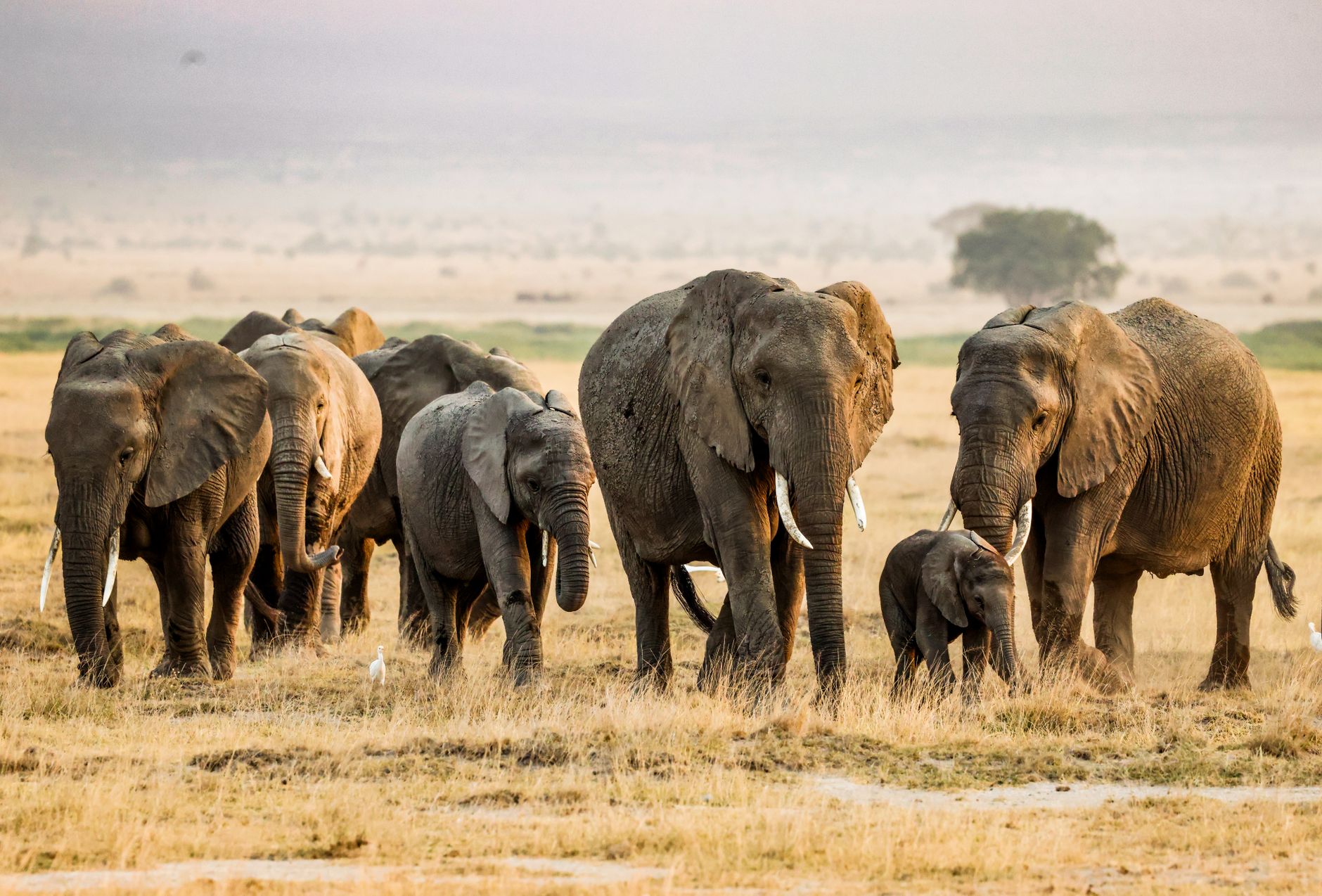
| August | Crisp and clear, around 9 to 15°C | Hot and dusty, around 23 to 30°C | Peak elephant viewing around the swamps |
| September | Cool, around 11 to 17°C | Hot, around 24 to 31°C | Herds stay close to remaining water |
| October | Mild start, around 13 to 18°C | Hot, around 24 to 32°C | Dry conditions continue; rains may arrive late month |
These are indicative ranges, not exact daily forecasts. Always check the forecast a few days before you fly.
What Should an Amboseli Safari Packing for Winter Include?
Pack two or three lightweight long-sleeved shirts, two pairs of comfortable trousers, and two or three T-shirts. Add one fleece or sweater, one light windproof jacket, underwear, socks, sleepwear, and a compact rain layer. Choose breathable neutral colors such as khaki, olive, beige, or grey, and use lodge laundry to avoid overpacking.
A fleece or light puffer works better than a heavy winter coat. A windproof shell over that makes dawn drives comfortable. Long trousers protect your legs from dust, sun, and insects, while T-shirts handle the middle of the day. Add one smart-casual outfit if any lodge evening has a dressier feel. That is optional, not essential.
This amboseli safari packing for winter list assumes you will spend most of your time on game drives, with short stops at viewpoints and camp. You will not need formal wear, heavy boots, or a second suitcase. For a broader overview of what to carry elsewhere in the country, check the Kenya safari packing list before you finalize your bag.
What Should You Wear on an Early Morning Game Drive?
Wear a thin base layer, long trousers, a long-sleeved shirt, fleece or light puffer, closed shoes, warm socks, and a windproof outer layer. Add a beanie, light gloves, buff, or scarf if you feel the cold, and remove layers as temperatures rise after sunrise.
The key is to think in layers. A thin merino or synthetic base layer stays warm even if you sweat or get caught in rain. A flannel or lightweight long-sleeved shirt adds warmth, and a fleece traps heat. A windproof jacket is the piece people forget, yet it makes a real difference in an open vehicle. A buff worn over your face also blocks cold wind and later filters dust.
Cotton underwear and cotton socks can stay damp if you sweat. For a winter Amboseli safari, wool or synthetic fabrics dry faster and keep you warmer. If you do not own thermal underwear, a normal long-sleeved shirt is usually enough. The cold is real, but it is not bitter winter.
Which Shoes and Accessories Should You Pack?
Comfortable trainers or lightweight walking shoes are enough for most vehicle-based Amboseli safaris. Heavy hiking boots are unnecessary unless your itinerary includes substantial walking. Also pack sandals for camp, a wide-brimmed hat, sunglasses, a refillable bottle, a small daypack, lip balm, and a buff for dusty roads.
Most Amboseli game drives happen from a 4×4 or a pop-up roof vehicle. You get in and out at wildlife sightings, not on long hikes. Choose grippy, closed-toe shoes that are already comfortable, since new boots cause blisters. Keep them light. If you book a walking safari or a Maasai village visit with a guide, walking shoes still work. Camp sandals give your feet air between drives.
For the rest of the what-to-wear picture, keep accessories small. A wide-brimmed hat is more useful than a cap because it covers your ears and neck. Sunglasses should be polarized to cut glare on dust and water. A refillable water bottle is essential, because the dry air makes you thirsty faster than you expect.
How Should You Handle Sun, Dust, Insects, and Rain?
Protect yourself with SPF 30 or higher sunscreen, SPF lip balm, sunglasses, a brimmed hat, long sleeves, and insect repellent. Amboseli’s dry-season dust makes a buff and extra socks useful. A compact waterproof jacket, dry bag, or rain cover protects you and your gear when showers arrive unexpectedly.
Amboseli is dusty, especially from August onward. The dust gets into cameras, clothes, and bags. A buff or scarf over your nose and mouth keeps grit out of your lungs. Extra socks mean you can change after a dusty drive. Sunscreen is not optional, since the same blue sky that makes Kilimanjaro look close also burns quickly.
Because this is a dry season safari, rain is the exception. Still, pack one compact waterproof jacket that packs into its own pocket. If a shower does interrupt your day, it rarely lasts long. Guides know how to adjust and keep wildlife viewing safe. For a closer look at wet-day logistics, read about what happens when rain interrupts a safari and how trip leaders adapt.
What Camera, Binoculars, and Day-Bag Essentials Should You Carry?
Carry binoculars, a camera with a wildlife zoom lens, spare batteries, memory cards, a cleaning cloth, and a power bank. Add a phone, personal medication, sanitizer, tissues, and a refillable water bottle in a small soft daypack. Keep electronics in a dust-resistant or waterproof pouch, especially during open-vehicle drives.
For most travelers, a 100 to 400mm lens or a bridge camera with a long zoom is enough. You do not need a huge telephoto lens unless you are a serious photographer. Spare batteries matter, because cold mornings drain them faster than you expect. A small blower and lens cloth remove dust at lunch. Store memory cards in a zippered case.
The light in Amboseli is strong and clear in winter. Early mornings and late afternoons give the best color, which matters for safari photography and the best light. If you only bring a phone, attach a lanyard and keep it in an easy pocket. Do not let camera gear crowd out water and sunscreen.
How Much Luggage and Laundry Do You Really Need?
A small soft-sided bag is usually more practical than a hard suitcase, especially when connecting by light aircraft or moving between camps. Plan a compact capsule wardrobe for five to seven days and confirm baggage limits with the operator. Many Amboseli lodges provide laundry, so duplicate outfits are rarely necessary.
Some lodges offer same-day laundry for a fee or include it in the rate. That means you can pack for four or five days of outfits and wash them mid-safari. Check the bag weight limit before you fly. Light aircraft in Kenya often restrict checked bags to a set limit, such as 15kg. A soft bag fits better in the luggage compartment and squashes into a vehicle, while a hard suitcase scratches and takes up space.
Use packing cubes to compress layers and keep dust off clean clothes. Put dirty shoes in a dry bag, not loose in your suitcase. Keep one spare outfit in your daypack in case a lunchtime rain shower catches you far from camp.
What Do Most Travelers Ask About Packing for Amboseli?
Here are the questions first-time visitors ask most often before a cold-season Amboseli trip.
What Should I Pack for Amboseli in Winter?
Pack lightweight neutral clothing, long trousers, long-sleeved shirts, a fleece or light puffer, and a windproof jacket for cold dawn drives. Add a hat, sunglasses, sunscreen, insect repellent, comfortable shoes, binoculars, camera supplies, medication, and a compact rain layer.
Is Amboseli Cold in June and July?
Amboseli can feel cold during early morning drives in June and July, particularly in an open vehicle and when wind moves across the plains. Afternoons are usually much warmer, so several removable layers work better than one heavy coat.
What Should I Wear on an Early Morning Safari Drive?
Wear long trousers, a long-sleeved shirt, warm socks, closed shoes, a fleece or light puffer, and a windproof jacket. A beanie, thin gloves, and a buff are useful extras for particularly cold or dusty departures.
What Colors Should I Wear on Safari in Kenya?
Choose muted colors such as khaki, beige, olive, grey, or brown. These are practical for dust and blend naturally into the safari environment. Avoid dark, bright, or highly reflective clothing during daytime wildlife viewing.
Do I Need Hiking Boots for Amboseli?
Usually not. Most Amboseli safaris are vehicle-based, so comfortable trainers or lightweight walking shoes are sufficient. Choose sturdier footwear only if your itinerary includes guided walks or other activities away from the vehicle.
Where Can You Compare Amboseli Safari Packages?
Compare Amboseli safari packages through FindMySafari, Valley Safaris, or Trunktrails Safaris. These sites list vehicle types, lodge locations, laundry service, and baggage limits for camps across the park and nearby conservancies. You can confirm the details that shape your packing list before you go.
When you are ready to plan, browse packages through these partner sites to find a lodge and guide that match your style. They work with Amboseli camps and can confirm the practical details before you close your suitcase.
Where Can You Find More Safari Planning Resources?
- Amboseli map and guide from SafariPure
- Amboseli National Park guide from Trunktrails Safaris
- Map of Amboseli from Valley Safaris
- Amboseli destination guide on FindMySafari